🌴🌞Protecting your skin in Australia
Australia has one of the highest “Age-Standardised Rates (ASR)” of skin cancer in the world with estimates of 40-50 skin cancer cases per 100k people, much higher than many countries in the northern hemisphere where lots of fair-skinned people reside.
Australia has one of the highest “Age-Standardised Rates (ASR)” of skin cancer in the world with estimates of 40-50 skin cancer cases per 100k people, much higher than many countries in the northern hemisphere where lots of fair-skinned people reside. While people with fairer skin tend to be more vulnerable, people with more melanin in their skin (darker skin) can also get skin cancer as well.
The reason for so much skin cancer comes down to a few key factors:
- Geographical location
- Elliptical orbit
- Depleted Ozone Layer?
- Cultural practices
Read until the end to see what you can do about this.
Geographical location
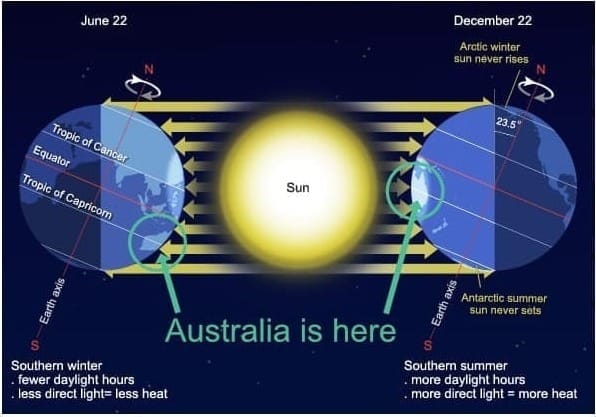
Since the earth is slightly tilted, the Australian winter (June-August) gets sunlight at an angle so more of the UV rays are absorbed by the atmosphere and less of it reach our skin. However, during the Australian summer (December-February) the sunlight travels perpendicular to our part of the Earth, so less of it is absorbed by the atmosphere and more of the UV rays reach out skin.
Elliptical orbit
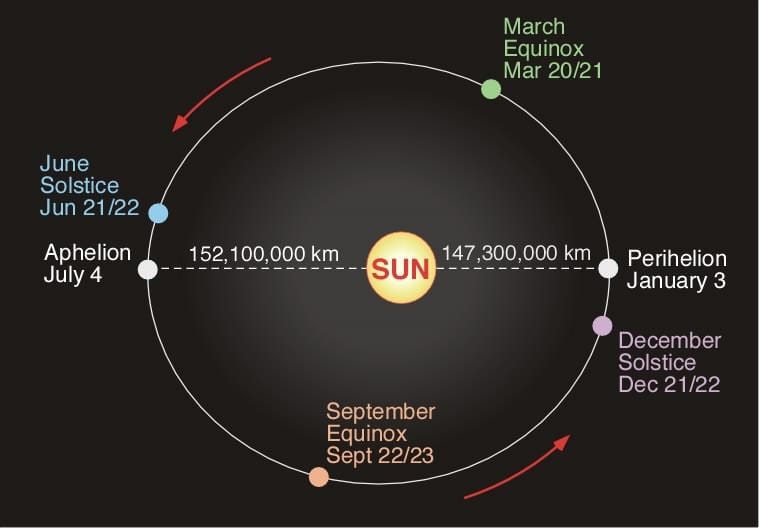
During the Australian summer (December-February), the earth is also much closer to the sun, meaning much higher levels of UV.
Depleted Ozone Layer?
While the Montreal Protocol has proven to be successful in helping reduce damage to the ozone, the times when the ozone depletion is closer to Australia (coming from the south pole) is around the Australian spring (September-November), when it's still a bit chilly so people tend to cover up their skin to stay warm.
Cultural practices
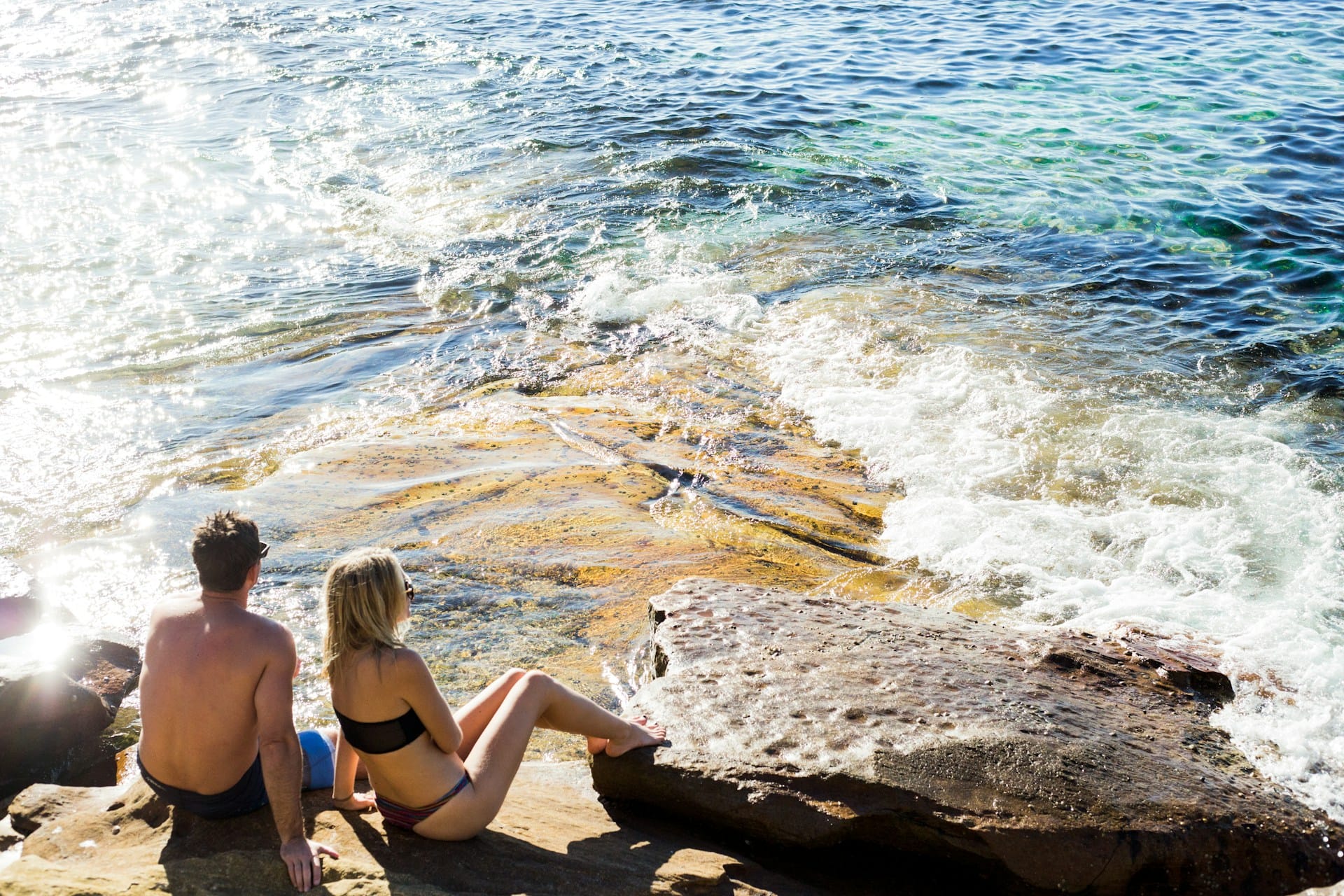
Due to the warmer weather, the abundance of sunny days, the many beaches and parks as well as the better work hours (compared to many Asian countries), people tend to spend more time outside, which adds to the time their skin is exposed to UV rays.
How to protect yourself
Here are the 5 S's of sun protection:
- 👕Slip on some sun-protective clothing that covers as much skin as possible.
- 🫙Slop on SPF 50 or SPF50+, broad-spectrum, water-resistant sunscreen. Put it on 20min before you go outdoors and every two hours afterwards.
- 👒Slap on a hat – broad brim or legionnaire style to protect your face, head, neck and ears.
- 🌳Seek shade.
- 🕶️Slide on some sunglasses – make sure they meet Australian Standards.
If you’re going to be out and about on campus, at the beach, or even just going for a walk, look after yourself by following Cancer Council Australia’s guidelines:
Even people with darker skin can get skin cancer, no one is safe. 😔
Stay safe out there! 🌞😎