💬✨ Student Stories - No Filter, No Fear with Doris

👩🎓 About Doris
Name/Nickname: Doris
University: University of New South Wales (UNSW)
Degree: Master of Advertising&Public Relation
Time in Sydney: 1 year
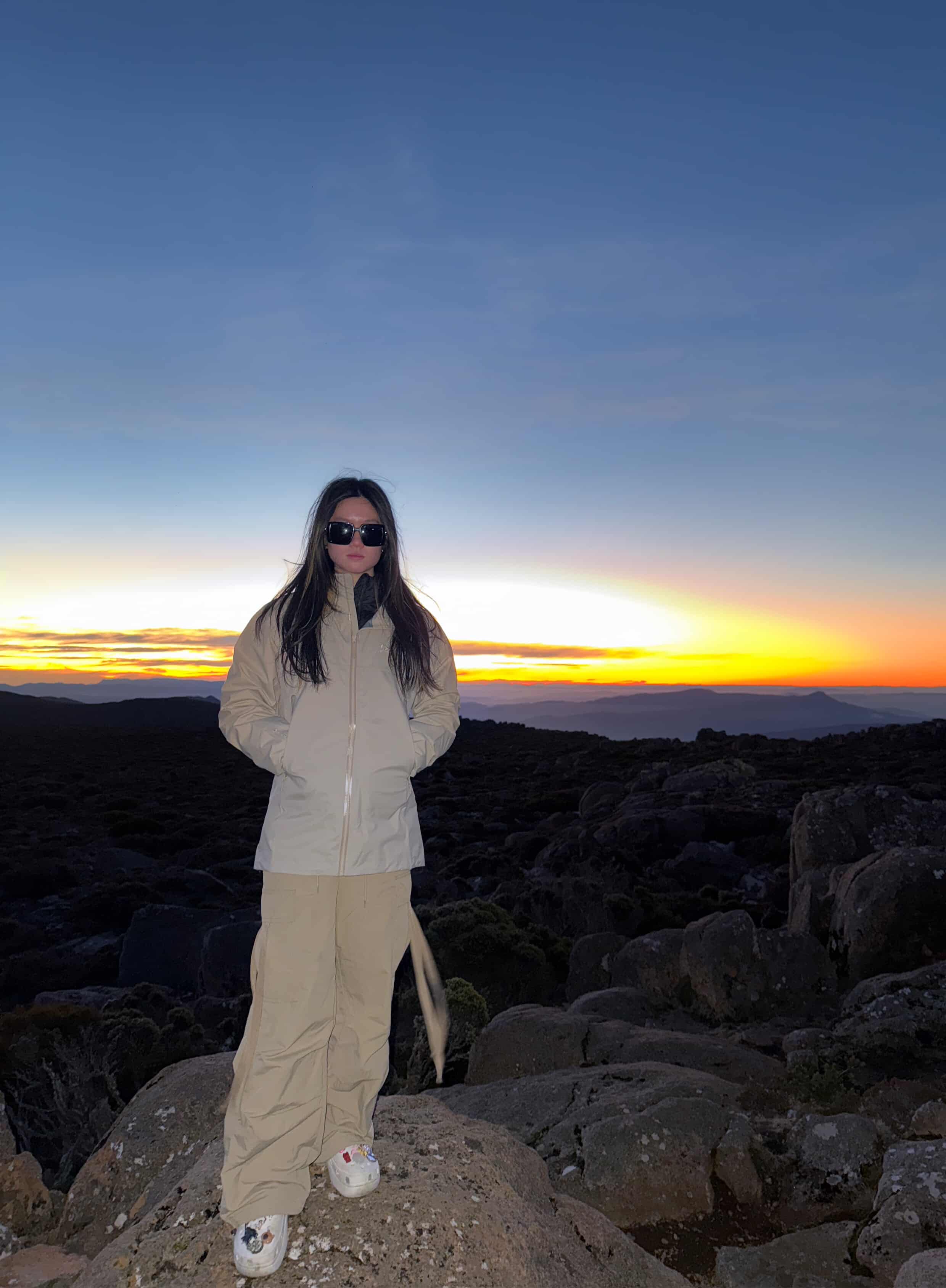
Some international students arrive in Australia quietly—waiting, observing, afraid to say the wrong thing. Doris did the opposite. She walked into a store she liked and asked if they were hiring. She called her agent when the air conditioner didn’t work. She ended conversations when people weren’t being real. And she never apologized for doing things her way.
“You have to know what you want, and not let someone else decide for you.”
In a world where it’s easier to stay quiet, Doris chooses to speak. Her story isn’t about having everything figured out, it’s about having the guts to ask, the clarity to say no, and the confidence to keep moving.
Q: You found a job after just two months in a language program. Can you share how that happened?
Doris: I currently have a casual job as a shop assistant. It happened quite randomly. I was walking around and saw a new boutique store opening. I walked in and asked, “Are you hiring?” They said yes. I chatted with the supervisor for a while. I didn’t even have my resume with me, so I asked if I could send it by email. The supervisor said sure, so I sent it that same day. The next day, I got the offer. The day after my language class ended, I started working—and I’ve been working there ever since. I wasn’t planning to get a job that early. I thought I’d take time to settle in first. But when the opportunity came, I just gave it a go. I feel lucky it worked out.
Q: How was it adjusting when you first arrived? Any challenges with the language or making friends?
Doris: I’ve always seen language as a tool for communication. It doesn’t need to be perfect. As long as you’re willing to speak and connect, things usually go smoothly. I won’t say my English is great, but I can manage daily conversations. To really improve your English, you need to talk more—especially with people from different backgrounds.
I studied my undergrad away from home, so I was already used to adapting to new environments. In my college dorm, I lived with five locals. They’d hang out on weekends and I didn’t really have anyone to go with, so I had to learn to do things on my own—like going to movies, shopping, or concerts. That helped me a lot when I came to Australia. I didn’t feel too lonely because I already knew how to start over.
As for making friends, I take a pretty relaxed approach. I’ve tried things like WeChat groups for classmates or “airport buddies.” Sometimes you chat once and never again. A few even turned out to be ghostwriters (laughs). One person said we were in the same class and we agreed to meet, but they never showed up. That kind of thing makes you feel a bit emotionally tricked. But I don’t take it too seriously. If it works, it works. If not, that’s okay. My friends here come from different groups, classmates, colleagues, student clubs, and especially the K-pop community. I go to K-pop parties, dance meetups, karaoke nights. Japanese and Korean pop culture really opens up conversations, especially overseas.
Q: What’s your housing situation been like? How does it compare to student accommodation?
Doris: I started in student accommodation. It was expensive and the room was tiny. Six of us shared one kitchen. Hygiene was a big issue. Even if it got cleaned in the morning, by the afternoon it’d be a mess again. Everyone had different habits, and food waste would sit around for weeks. It was disgusting. The good thing was that everything was furnished. For someone new, it’s convenient. You can live there a month or two, then move out once you’re settled. Later I found a sublease on Xiaohongshu. The girl I took over from gave me all her furniture, which was super convenient.
Still, I had problems. The air conditioner was broken and the agent wasn’t fixing it. I had to push hard. I told them I didn’t care about the washing machine or dryer, but the aircon must be working. It still took a month to fix. Honestly, in these situations, you need to be firm. If you’re too nice, people will ignore you.
Now I live in a 2B2B apartment in Chinatown. It’s convenient because I’m always out and about. It saves a lot of travel time. I met my current roommate through Xiaohongshu. We get along well. She plays games with headphones, I play music on speakers—no one minds. We both stay up late and often run into each other in the living room at 3 or 4am. We’ve eaten out together, and I invited him to my birthday. But we’re more like friendly roommates, not really hangout buddies. If he thinks my music’s too loud, he’ll message me and I’ll turn it down. We’re both direct. She knows I won’t get upset, and I appreciate that kind of clear communication.
Q: Have you experienced any cultural differences or emotional surprises here?
Doris: The biggest culture shock for me is how indirect people are when it comes to relationships. I’ve used dating apps and met a few people. Sometimes we’d chat for a few days, maybe meet once, and then they’d just ghost me. If I asked what was going on, they’d just say they’re “busy.”
I think some people here avoid honest communication. I’m the type who replies if you message me. If I don’t feel like talking, I’ll send a sticker—that’s enough of a hint. I haven’t had a serious relationship here. I know what I want and I don’t follow other people’s pace easily.
But some of my friends have had bad experiences. I think it’s important to be clear with yourself. If you seem too easygoing, some people might try to manipulate you. If you show you’re independent and don’t need them, they’re less likely to mess with you. You have to move at your own pace and stick to your values.
Q: What are your future plans? Will you stay in Australia or return to China?
Doris: I haven’t decided yet. I’ll graduate in April next year. I don’t have a clear preference—I’m open to whatever works. I do prefer the work culture here. You have the right to say no. That’s important. In China, it’s often hard to manage your own schedule. People expect you to say yes to everything. It’s exhausting.
I’ve never worked in China, but my friends have. I’ve heard enough to get the idea. The pace here is busy, but at least it’s on your own terms. In China, alternating weekends (one week with two days off, one week with only one) are normal. Having two full days off is considered a benefit. I can’t accept that. I support pushing back against it, but sometimes it feels helpless. There aren’t proper channels to complain. At least here, every company has someone to talk to.
That said, finding a job here isn’t easy either, especially if you’re not a citizen or PR. Many jobs still come through connections. So I try not to stress. Wherever I end up, I’ll do my best. No pressure. I’m glad I came here. I’ve done so many things I never imagined—shooting, water sports, skydiving. Here, I’ve realized there’s no such thing as “the right path” anymore. People used to fight hard because they could see a future. Now, even if you fight, you might not get one. So my mindset is: as long as I don’t die, I’m good (laughs). I just try to enjoy life and explore what I like.
Q: What’s the most frustrating thing you’ve experienced in Sydney?
Doris: The trains! Seriously. That’s been my biggest meltdown moment. I rely on the train for commuting. But they’re either delayed or canceled. After a long day at work, when you’re super tired, and just want to go home—and then the train doesn’t come? It’s crushing. Once, I tried to take an Uber home, but the price had jumped to $80—it’s usually only $20 or $30. I didn’t want to pay that much, but what choice did I have? I just stood there and kept waiting for the train.
But this kind of stuff helped change my mindset. I used to be really impatient. Now I’ve learned that being anxious won’t help. You’re freaking out, and everyone else is sitting calmly, reading or playing on their phone. So eventually, you just learn to accept it.
Even my mom noticed. When she visited, she said, “You seem more patient now.” And I told her, “Well, there’s nothing I can do about it.” That’s what people here always say: “Sorry, there’s nothing we can do.” And I just go, “Okay.” (laughs)
Q: What have you gained from volunteering? Any moments that stood out?
Doris: Volunteering is a great way to meet people. I joined the ISLA project. People came from all over the world, not just Asia. I met a Korean girl I got along with, and we started doing events together and going out to eat.
One event that really stayed with me was a film festival. The movie told the story of a Black woman’s experience. Most of the audience were Black, and I felt like, as an Asian person, this was something I wouldn’t have even known about without volunteering. I noticed how confident and stylish everyone was. Their presence was really strong. It made me realize there are so many communities with stories we don’t usually hear.
Volunteering gave me access to those experiences. On my own, I wouldn’t know where to find them. But now, I get to help and also learn.
Q: What advice would you give to new international students?
Doris: Be confident. That’s the most important thing. If you’re confident, a lot of things will go more smoothly. People will respond to your energy. Don’t be afraid to speak up or deal with things head-on. If you’re nervous about your English, just start talking. The first step is hard, but it gets easier. You can start by practicing with people around you, and then join events or clubs. That’s how you’ll build a richer life here.
When I started, there were lots of clubs during Orientation Week. I suggest trying out whatever you’re interested in. Whether you get accepted or not doesn’t matter, it’s the effort that counts. If you fail, it’s okay. If you succeed, you’ll meet people and make friends. Feeling homesick is normal, but if your life here is full and social, those feelings can fade.
For studies, I recommend checking the readings early. With AI tools, it’s much easier now. If something’s hard to understand, get it translated and review ahead. If a subject is tough, search for tips online. Platforms like Xiaohongshu have lots of student experiences and advice. Often the assignment requirements are clear from the start. You don’t need to wait for the teacher to explain everything. Doing prep early makes things easier later.
Doris doesn’t try to sound perfect—and that’s exactly what makes her stand out. She’s clear, funny, a little blunt at times, and completely unafraid to say what many others only think.
In the full recording, she describes a quiet shift in mindset in detail: from constantly trying to fit in, to feeling comfortable being herself. That confidence didn’t come all at once. It grew from small moments: asking a question in class, laughing off a misunderstanding at work, or simply walking into a store to ask for a job.
🎧 Listen to the full 28min recording (in Chinese) below.