🔠🦘Fun with Aussie English 2: Tiny Words, Big Culture
Let’s dive into another fascinating aspect of Australian English: its morphology, or how Aussies form words and slang. We’ll see that Aussies don’t just speak differently; they also have a playful way of creating and shortening words that reflects their laid-back culture.

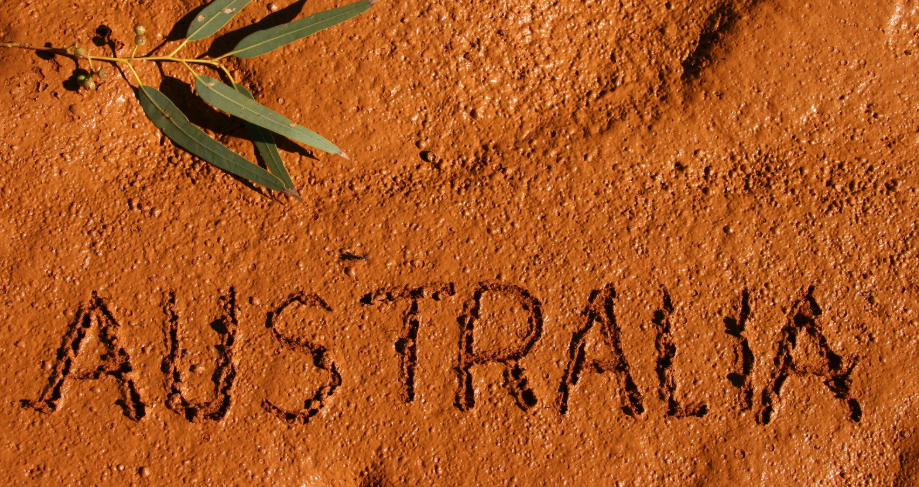
In the second part of this series, we explored the Aussie accent and how Australians pronounce words. Now, let’s dive into another fascinating aspect of Australian English: its morphology, or how Aussies form words and slang. If you’ve ever been stumped by an Australian saying they’re “heading to the servo after brekkie,” this part will clear things up. We’ll see that Aussies don’t just speak differently; they also have a playful way of creating and shortening words that reflects their laid-back culture.
The Aussie Habit of Shortening Everything
One of the first things you’ll notice about Australian English is that Australians love to shorten words. Why use a long word when a short one will do, right? From a linguistics perspective, this falls under morphology – basically how words are formed. Aussies have turned word-shortening into an art form, creating what linguists call diminutives or hypocoristics (fancy terms for nicknames or pet forms of words). The Australian National Dictionary Centre notes that “arvo” (afternoon) is a classic example of this habit of adding “-o” to an abbreviated word. In fact, Aussie English is so keen on these diminutives that there are over 5,000 of them in use, more than any other variety of English!
How Aussies Form Slang Words
So, how do Aussies form these mini-words? The recipe for creating an Aussie diminutive is usually straightforward: take the first part of a word and add a friendly ending like “-o”, “-ie”/“-y”, or sometimes “-a”. The result is a cute, casual twist that’s used in everyday conversation across all levels of society. Don’t be fooled by how playful they sound; these abbreviations aren’t just slang for teenagers or bush folk; everyone from your barista to the Prime Minister might use them. Here’s how it usually works:
- Step 1: Cut the word down to one or two syllables (often the first part).
- Step 2: Add a vowel sound (often o, a, or ie/y) to the end.
For example, “afternoon” becomes “arvo”, as in “See ya this arvo!” (See you this afternoon). This pattern of adding “-o” is classic Aussie and has been around for ages (linguists traced “arvo” back to the 1920s and it’s still going strong!). Other “-o” words you’ll hear include “ambo” (ambulance paramedic), “servo” (service station, i.e. gas station), “bottlo” (bottle shop, i.e. liquor store), and “Macco” or “Macca’s” (McDonald’s). Fun fact: McDonald’s Australia was so onboard with its nickname Macca’s that they even use it in advertising and on some store signs!
The “-ie”/“-y” ending is equally beloved. “Aussie” itself (meaning Australian) is a textbook case – take Austral- and slap an “-ie” on it. Similarly, a tradesperson becomes a “tradie,” a relative is a “rellie,” and a mosquito is affectionately a “mozzie.” Even Australian currency gets this treatment: the Australian dollar is often called the “Aussie” (dollar). You’ll notice these shortened words pop up everywhere, especially in casual settings. If you skip “brekkie” (breakfast) because you’re running late, you might grab a “sanger” or “sanga” (sandwich) for lunch. Heading to university? In Oz, it’s just “uni” – why waste breath on four syllables when two will do? (As one Aussie university site joked, “Uni means university – we don’t like wasting our time with long words!”).
To give you a taste, here’s a quick cheat sheet of common Aussie diminutives you might encounter:
- Arvo – afternoon (e.g. “Let’s meet this arvo.”)
- Brekky (or brekkie) – breakfast (“I missed brekky this morning.”)
- Macca’s – McDonald’s (fast food chain) (“I’m grabbing Macca’s for dinner.”)
- Servo – service station (gas station) (“Need to fuel up at the servo.”)
- Bottle-o – bottle shop (liquor store) (“Pick up some drinks from the bottle-o.”)
- Tradie – tradesperson (electrician, plumber, etc.) (“My bathroom’s leaking, better call a tradie.”)
- Mozzie – mosquito (“Wear repellent to avoid mozzie bites.”)
- Cozzie – swimming costume (swimsuit) (“Grab your cozzie, we’re going to the pool.”)
- Chrissie – Christmas (“See family at Chrissie.”)
(Notice how cozy and fun these sound?)
Even people’s names aren’t spared from this Aussie nickname machine. Australians will often bestow you with a nickname almost as soon as they know your name – it’s a sign of friendliness and affection. If your name is Jonathan, don’t be surprised if mates call you “Jonno.” A colleague named Deborah might become “Deb” or “Debbie,” and a friend named David could be “Davo.” Far from being insulting, these nicknames are usually a sign that you’ve been welcomed into the group. Australians tend to use these name-diminutives as a way to be friendly and non-formal – it’s like saying “we’re all mates here.”
Another interesting aspect is how some Aussie coinages have gone global. A great example is “selfie.” Yes, the ubiquitous term for a self-taken photo was first recorded in Australia (it appeared in an Aussie online forum around 2002). It follows the Aussie pattern (self + -ie) and caught on worldwide – even becoming Oxford Dictionary’s 2013 “Word of the Year”. There’s also “uni” (university) which Aussies use (as do the British), and that’s spreading via international students. Australian slang and diminutives have a way of catching on because they’re easy to say and often fun.
It’s worth noting that Aussie slang isn’t only about shortened words. There are plenty of unique Australian terms (like “outback” for the remote interior, “bogan” for a rough around the edges person, or phrases like “no worries” for “you’re welcome/no problem”). Those involve vocabulary and idioms – a whole other topic. But when it comes to morphology – how words are constructed – the diminutive pattern is the superstar of Australian English. It’s productive and still evolving. For instance, younger Australians have started using “-s” endings on some words (like “totes” for “totally”), which is a newer twist in the slang.
Understanding Aussies, Word by Word
To wrap up, Australian English morphology shows us that Aussies infuse their language with humor, brevity, and warmth. By trimming down words and adding their signature endings, they’ve built a massive repertoire of slang that can sound like a whole different language to newcomers. But now you’ve got the basics: “afternoon” is arvo, “evening” might be arvo too if late arvo, your breakfast is brekkie, and your barbecue party is a barbie*. When an Aussie invites you to “come over this arvo for a barbie,” you’ll know exactly what they mean – and you’ll appreciate the friendly, casual tone behind it.
Australian English is a testament to linguistic creativity, shaped by a culture that values friendliness and informality. It might take a little practice to get the hang of all the nicknames and abbreviations, but learning them is half the fun. In everyday Aussie life, saying things the casual way is a sign you’re part of the crowd. So don’t be afraid to give it a go – ask your mate if he wants to grab Macca’s for dinner or compliment someone’s sunnies – you’ll sound just a bit more like a local. No worries, mate, you’re well on your way to speaking Strayan (Australian) English with the best of them!