🪛🪠A Renter's Guide to Tradies
Renting in Sydney offers a fantastic way to experience the city's lifestyle without the long-term commitment of homeownership.


Renting in Sydney offers a fantastic way to experience the city's lifestyle without the long-term commitment of home ownership.
However, when things go wrong around the property – a leaky tap, an electrical issue, or the need for internet setup – you'll likely encounter the world of "tradies" (tradespeople). This guide will help you, as a renter, understand your responsibilities, navigate common utility-related issues, and know when and how to engage tradies effectively in Sydney.
Electricity, Gas and Water
As a renter, your involvement with electricity and gas tradies will typically be limited to reporting faults. In New South Wales, landlords are generally responsible for maintaining the property in a reasonable state of repair, which includes ensuring electrical and gas systems are safe and functioning.
- Electricity: If you experience a power outage within your unit (not a general area blackout), notice flickering lights, or have faulty power points, your first point of contact is your landlord or property manager. They will then arrange for a qualified electrician to inspect and fix the issue. Never attempt to fix electrical problems yourself.
- Gas: Similarly, if you suspect a gas leak (you might smell gas), notice issues with gas appliances provided by the landlord (like a malfunctioning stovetop or hot water system), immediately contact your landlord or property manager. Gas leaks are dangerous and should be addressed by a licensed gas fitter.
- Water: As mentioned previously, in Sydney, landlords usually cover the fixed service charges for water. As a renter, you are typically responsible for the water usage charges. For plumbing issues like burst pipes, significant leaks, or a blocked drain that isn't due to your negligence, your landlord is generally responsible for engaging a plumber. However, for minor issues or blockages caused by tenant misuse, you might be asked to cover the cost. Always report plumbing problems to your landlord promptly to prevent further damage.

Internet and Mobile
Setting up internet and mobile services is usually the tenant's responsibility. You'll need to choose a provider and arrange for installation or connection. While not strictly "tradies" in the traditional sense, technicians from internet companies might need to visit your property to install equipment.
- Internet Installation: Ensure you have the landlord's permission before any drilling or significant modifications are made to the property for internet installation. Discuss the installation plan with the internet provider beforehand.
- Mobile Services: This is generally independent of the property itself, but ensure good mobile reception in the rental before committing to a long-term plan.

Home Improvement - Painting, Carpentry, Welding, Masonry, Roofing, HVAC (Air Conditioning etc)
Generally, as a renter, you cannot undertake significant home improvements or modifications to the property without the landlord's explicit written consent. This includes:
- Painting: You usually cannot repaint walls or change their appearance.
- Carpentry: Installing shelves, built-in furniture, or making structural changes is typically not permitted.
- Welding, Masonry, Roofing: These are major structural works that are the landlord's responsibility.
- HVAC (Air Conditioning etc.): Installing new air conditioning units or making significant changes to existing systems usually requires the landlord's approval. For repairs or maintenance of existing landlord-provided HVAC, this is generally their responsibility.
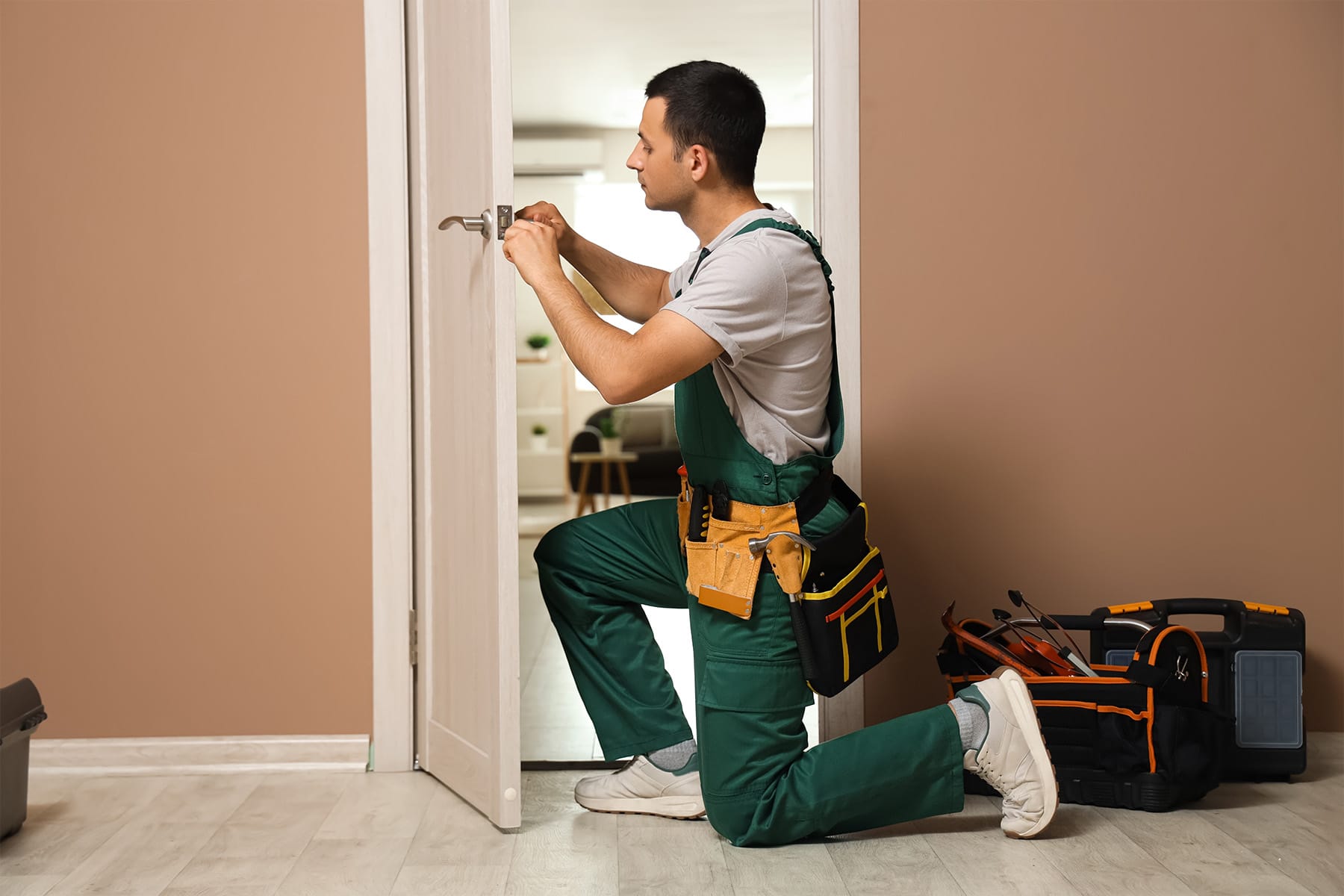
If you believe a home improvement is necessary (e.g., for safety or accessibility), you must request permission from your landlord or property manager in writing. They have the right to refuse.
How to Get the Best Price for Services
While your landlord usually arranges tradies for repairs, understanding how to get the best price is still valuable knowledge, especially if you are ever responsible for a minor repair or when setting up internet:
- Call multiple vendors to compare prices: Obtaining quotes from at least three different tradies for the same job allows you to compare their rates and understand the average cost. Be clear about the work required when seeking quotes.
- Get your friend who speaks good English to minimise discrimination: Unfortunately, some less reputable vendors might try to charge more if they perceive a language barrier. Having a friend who is fluent in English assists with obtaining quotes and communication can help ensure you receive fair pricing.
- Refer to resources like Choice Australia: The provided link (https://www.choice.com.au/home-improvement/building-and-renovating/design-and-trades/articles/resolving-conflicts-with-tradies) offers valuable advice on resolving conflicts with tradies, which can also be helpful in ensuring fair dealings. While geared towards homeowners, the principles of clear communication and understanding your rights apply to renters too.
Estimating Your Bill (When You Are Responsible)
As a renter, you'll typically be responsible for setting up and paying for your internet and mobile services. In some less common situations, your landlord might agree that you handle a minor repair and cover the cost yourself. Here's a clearer breakdown of how to approach estimating these potential expenses:
- Internet and Mobile Services:
- Internet: The monthly cost for internet in Sydney can vary significantly based on factors like the download speed you need, the amount of data included in the plan, and the length of the contract. Research different internet providers and compare their plans carefully. Don't forget to factor in any potential one-time installation fees.
- Mobile: Similar to the internet, mobile phone plan costs depend on data allowances, call inclusions, and contract terms. Consider your usage habits when choosing a plan. You might find it convenient or cost-effective to bundle your internet and mobile services with the same provider.

- Minor Repairs (When Agreed Upon with Your Landlord):
- If your landlord agrees that you will handle and pay for a minor repair, the best way to estimate the cost is to obtain quotes from multiple tradies (as discussed earlier).
- When you request a quote, be sure to ask for a clear breakdown of both the labour costs and the cost of any materials required for the repair.
- Don't hesitate to ask the tradies to explain any part of the quote that you don't fully understand. Transparency is key to avoiding unexpected charges.
Quick Tips to Manage Costs (and Landlord Interactions):
- Report issues promptly in writing: This creates a record of your communication and helps ensure timely action from the landlord.
- Keep copies of all communication: Emails, letters, and even text messages can be useful if disputes arise.
- Know your rights as a tenant: Familiarise yourself with the tenancy laws in New South Wales regarding repairs and maintenance. The Tenants' Union of NSW is a valuable resource.
- Be clear and specific when describing the problem: This helps the landlord and the tradies understand the issue quickly.
- Seek clarification on who is responsible for the cost before work commences.
- For the internet, read the terms and conditions carefully before signing up for a plan.
Conclusion
As a renter in Sydney, your primary responsibility regarding tradies for essential utilities (electricity, gas, water) is to report issues to your landlord or property manager promptly. For internet and mobile, the onus is on you to set up services. By understanding your rights and responsibilities, communicating clearly, and knowing how to seek fair pricing when you are responsible, you can navigate the world of tradies effectively and ensure a comfortable and safe living environment in your Sydney rental.