🔎🌏 5 facts about Australia that even the locals don't know
If you're looking to visit or study in Australia, here's a bunch of interesting things you should know so when you meet the locals you have something to share.
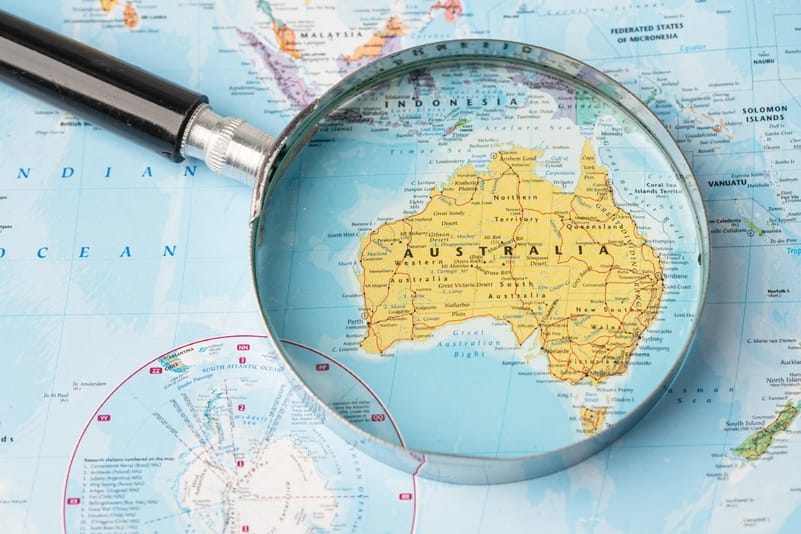
If you're looking to visit or study in Australia, here's a bunch of interesting things you should know so when you meet the locals you have something to share.
The Australian Outback is huge
Australia is the 6th largest country in the world and yet 70% of it, known as The Outback, is almost completely uninhabited. Less than 2% of the Australian population lives in this part of the country, so suffice to say it's the opposite of what we are used to: sparsely populated and with little vegetation and local wildlife. There is almost an eerie and otherworldly quality to it.
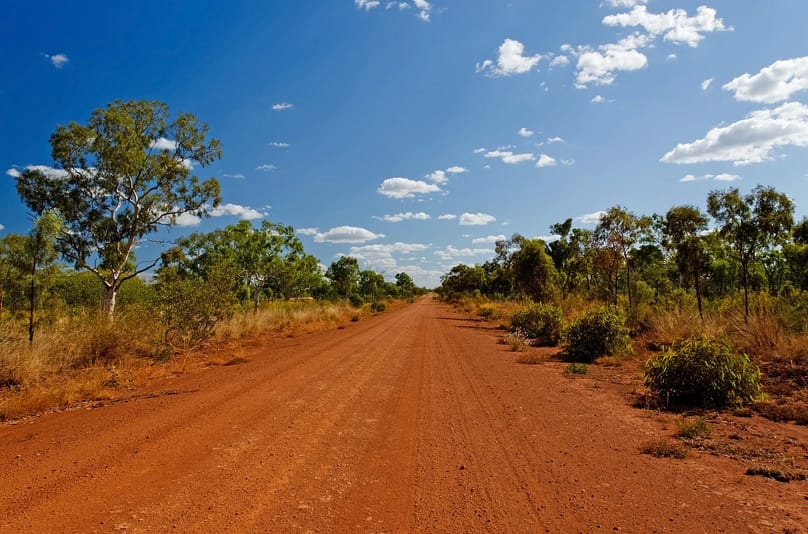
For those unprepared for the Outback's remote conditions, it can also present danger to locals and visitors alike. A broken-down vehicle, for example, could lead to dehydration, heat exhaustion or much worse. So, if you’re planning a road trip to the Nullarbor Plain, Flinders Ranges or many other landmarks across the Outback, do your research and prepare for anything and everything. If that sounds daunting, it might be much easier to just go with a tour operator who specialises in Outback adventures.
Aboriginal Australians are the oldest, continuous culture on Earth with an estimated 60,000 year history
Aboriginal Australians have a long and researched history, with more than 500 language, social or nation groups across Australia. As one of the oldest forms of known human art, Aboriginal rock art not only appears in more than 100,000 sites across Australia, but there are rock sites dated to around 30,000 years ago, and rock art tools dating back close to 50,000 years ago. The First Nations people, as they are also referred as, were using artworks in sacred and public sites to give form to their narratives and as a way to record their ongoing history.
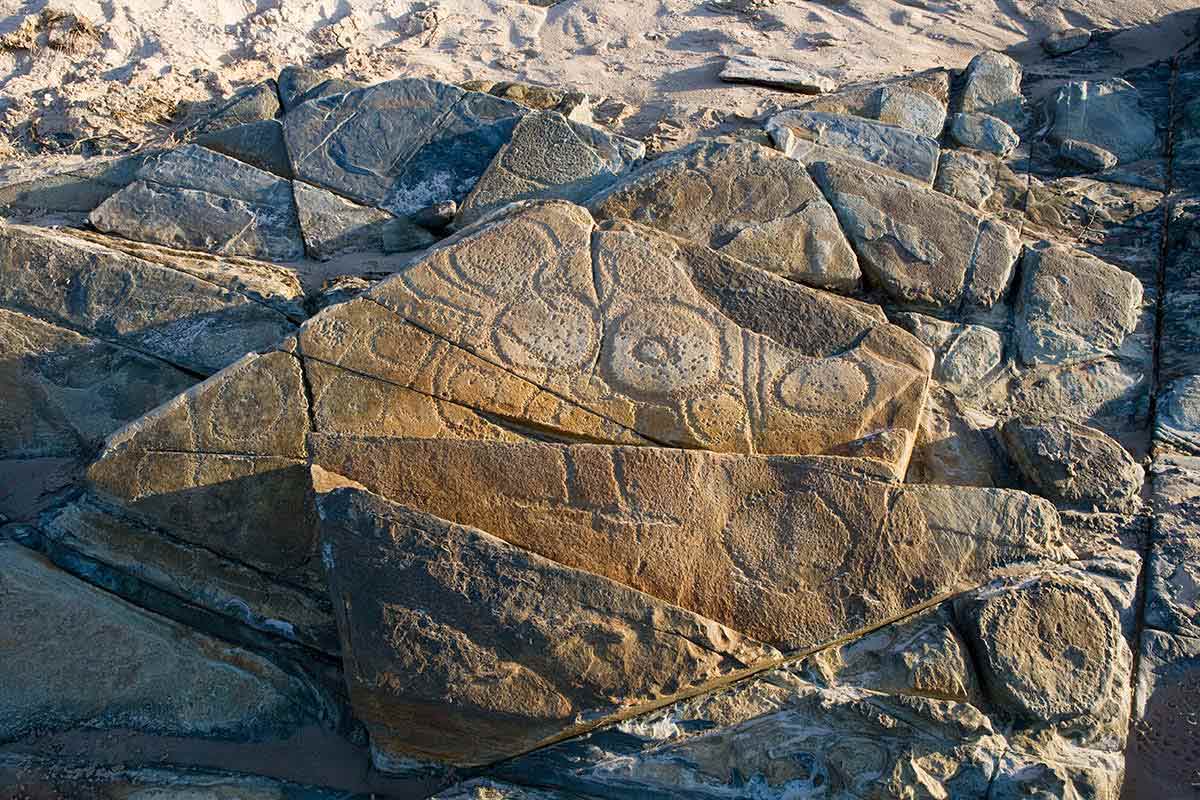
Rock art is of great value for Aboriginal peoples for their spiritual, historic and artistic significance. Today there are seven heritage places on the National Heritage List in recognition of their outstanding cultural significance to the nation:
- Dampier Archipelago (Western Australia)
- Grampians National Park (Victoria)
- Kakadu (also known as "Gaagudju" to the Aboriginals) National Park (Northern Territory)
- Koonalda Cave (South Australia)
- Uluru-Kata Tjuta National Park (Northern Territory)
- The Tasmanian Wilderness (Tasmania) and
- The West Kimberley (Western Australia)
There are more than 12,000 beaches in Australia
Australia has the 6th longest coastline in the world and one of the most common features on the Australian coast is the beach. Professor Andrew D. Short, Coastal Scientists with the University of Sydney, has travelled to every single Australian beach and talks about it here. If you're academically inclined, he's also written a book about Australian Coastal Systems. He works with Surf Lifesaving Australia and investigates clifftop sand dunes.
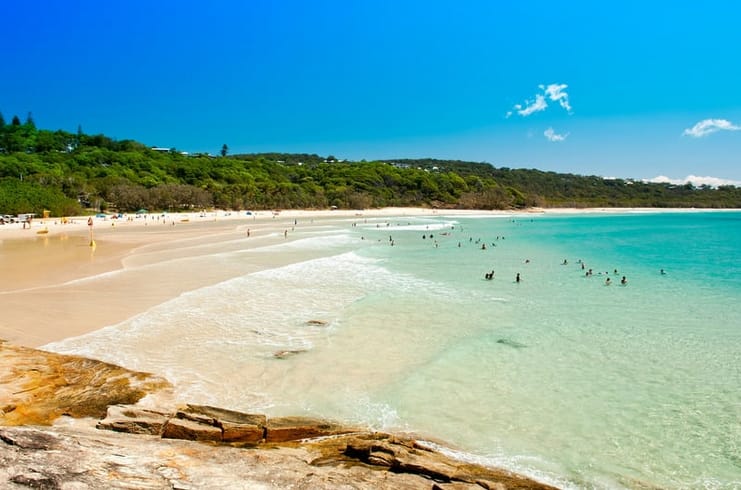
If you plan to go to one of the many beaches in Australia, Surf Lifesaving Australia is a unique not-for-profit organisation that exists to save lives by monitoring 12000 Australian beaches, so if you're looking to visit lots of beaches during your time in Australia, make sure to find a patrolled beach (and download the app) and swim between the flags for your safety and peace of mind.
Australian coffee culture comes from all over the world
Since the first wave of Italian and Greek immigrants after World War 2, newer Australians from all over the world (immigrating to Australia) have added more and more varieties and perspectives on enjoying coffee.
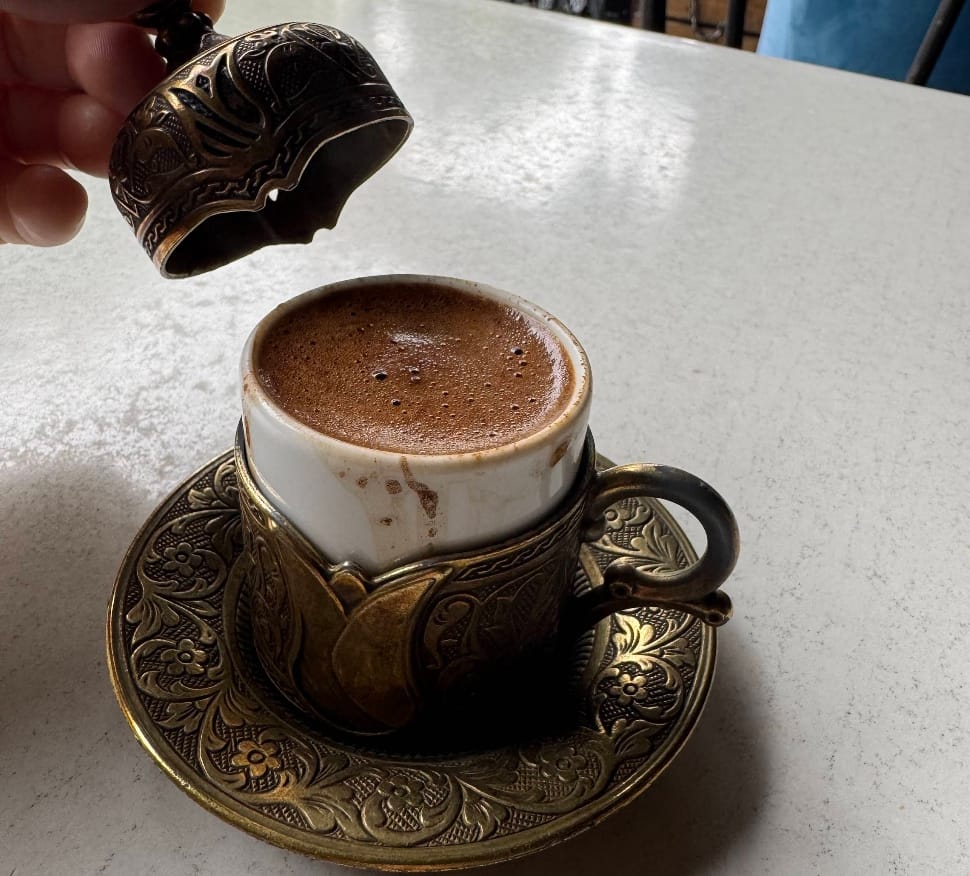
In Sydney alone, you'll find coffee served in styles ranging from Italian, Greek, Croatian, Turkish, Lebanese, Levantine, Vietnamese ice coffee, Indonesian, Japanese cold brew, and Kenyan. Needless to say, there are a lot of interesting ways to enjoy some coffee and food pairings, not to mention 95% of all cafes are independently owned and operated, so they all have their own culture and philosophies that they proudly display in their shops.
New Zealand is a part of Australia
Isn't New Zealand a whole other country? Yes it is, but that wasn't the original plan. The originally, after the British settlers colonised Australia and New Zealand, they held talks to discuss how they might join together as a nation state (rather than just territories of the British Empire, like the Falklands Islands, Bermuda and British Virgin Islands).
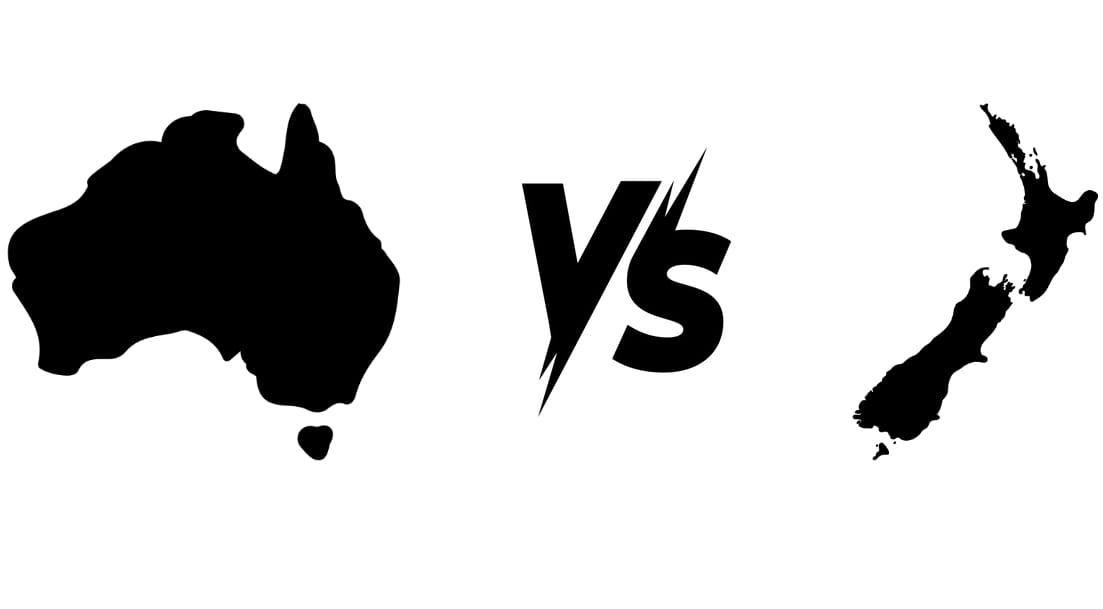
Even within the Australian constitution there is mention that New Zealand could join Australia as a state, however at the time the New Zealand delegates were not interested in joining so they didn't attend the conference. Regardless, if New Zealanders ever wanted to have a say in Australian politics or form an unstoppable football team, they are very welcome to join the party 😆